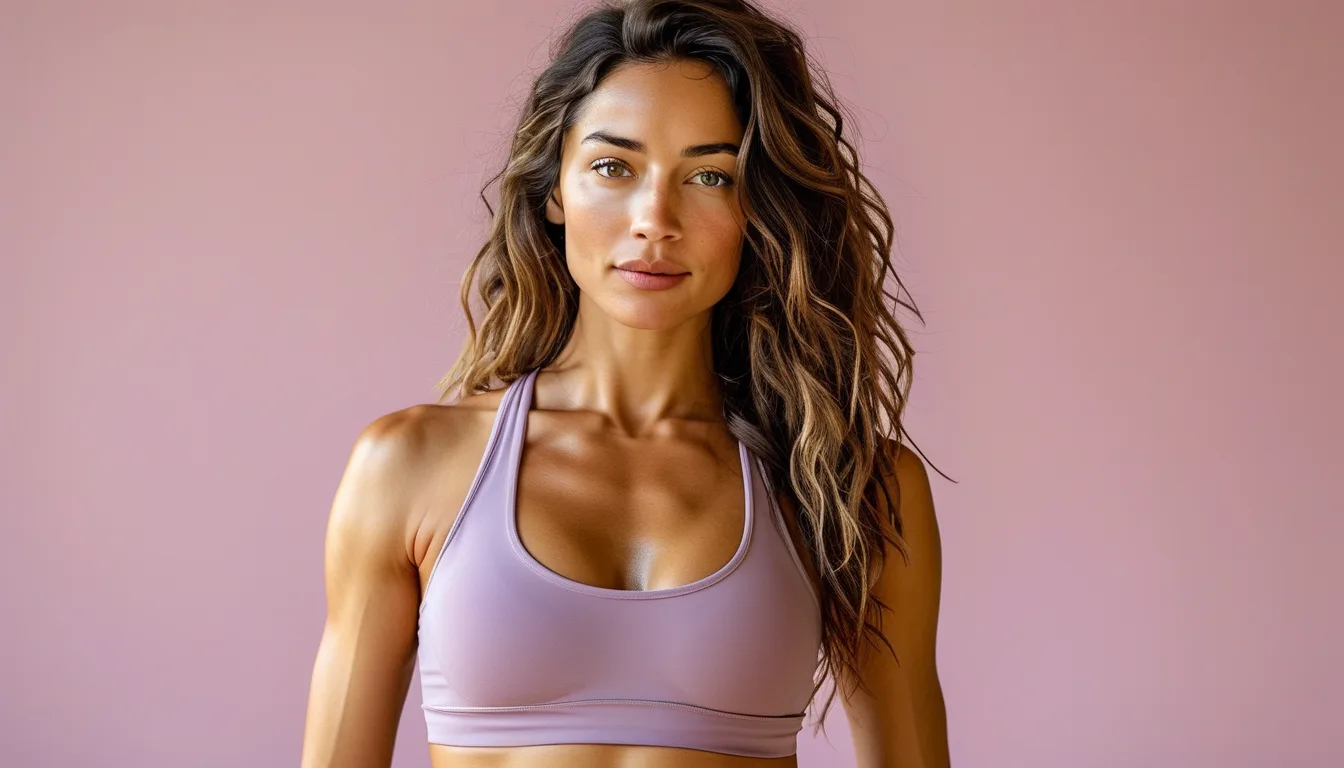
5 Wellness Retreat Days and What to Actually Wear for Each
Quick Answer: A retreat is not one dress code - it is five distinct days with different temperature ranges, movement demands, and social settings, often within the same 48 hours. Pack for the days rather than the brochure: an early cold movement session, a hot mid-day practice, a long unstructured afternoon, a communal evening, and a travel day. The mistake is packing five versions of the same outfit and then having nothing for the transitions between them.
Here are the five, and what each one actually needs.
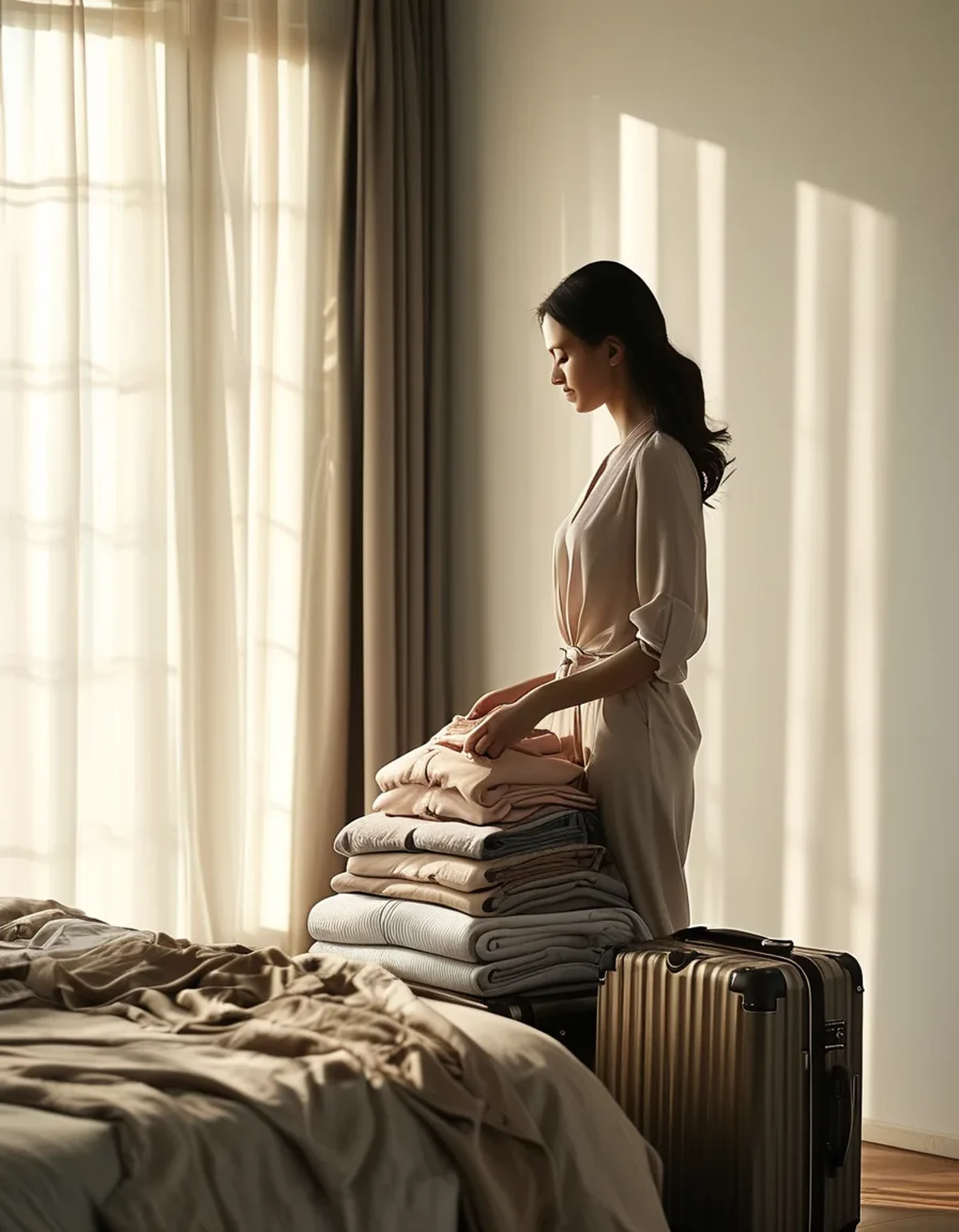
Look 1: The Cold Early Session
Almost every retreat opens the day earlier and colder than participants expect. Sunrise movement, meditation on a deck, a walk before breakfast - and retreat venues are frequently in places that are meaningfully cooler at 6am than at noon.
The demand is layers you can remove without leaving the room. You will start cold, warm up within fifteen minutes, and cool down again the moment you stop. A single warm layer is worse than two light ones, because it forces a binary choice.
What works: a fitted base layer that you can practise in alone, a mid-weight zip or wrap over it, and something for your feet. Socks are the most under-packed item on any retreat list - cold feet on a cold floor at 6am derail a session faster than anything else.
Avoid anything you have to pull over your head mid-session. A zip or a wrap removes silently; a jumper does not.
And bring one item purely for warmth after the session. The post-practice cool-down is when people get genuinely cold, particularly if the session involved lying still at the end. A large wrap or oversized cardigan doubles as a blanket during the final relaxation, which is the moment most people are least prepared for.
Look 2: The Hot Mid-Day Practice
The middle of the day is usually the opposite problem. A heated room, a strong afternoon session, or simply a warm climate at noon - and the outfit that was perfect at 6am is now completely wrong.
The demand here is sweat management and staying put. Fabric that handles moisture, and cuts that do not need adjusting between poses. Nothing that becomes see-through when damp - which is worth testing at home rather than discovering in a room full of strangers.
What works: a supportive fitted top and leggings or shorts in a moisture-managing fabric, in a mid-tone rather than the lightest shade you own. A second set matters more than a second style - a hot session leaves clothing genuinely wet, and retreat laundry is often limited or slow.
Choose a waistband you have already tested through a full session. Retreat practices frequently run longer than your usual class, and a waistband that is fine for 45 minutes can be intolerable at 90.
Bring a small towel of your own. Venues vary enormously in what they provide, and this is the item people most regret leaving behind.
Look 3: The Long Unstructured Afternoon
This is the day most packing lists ignore entirely, and it is often the longest block of the schedule. Free time, reading, a spa appointment, a walk that may or may not become a hike, an unplanned nap.
The demand is comfort that is still presentable, because you will move between private and communal spaces repeatedly without changing.
What works: a relaxed wide-leg trouser or a simple dress, with a top that works alone or under a layer. The test is whether you could sit on the floor for an hour, walk twenty minutes outside, and eat lunch with other people in the same outfit without wanting to change. If any of those three fails, it is the wrong piece.
Shoes matter more than the outfit here. Something you can slip on and off easily - many retreat spaces are shoes-off - but that still handles an outdoor path. This single item makes a spontaneous walk possible rather than a whole change of clothes.
And pack one thing with pockets. Phone, room key, lip balm. The absence of pockets is the reason people end up carrying a bag around a venue they are meant to be relaxing in.
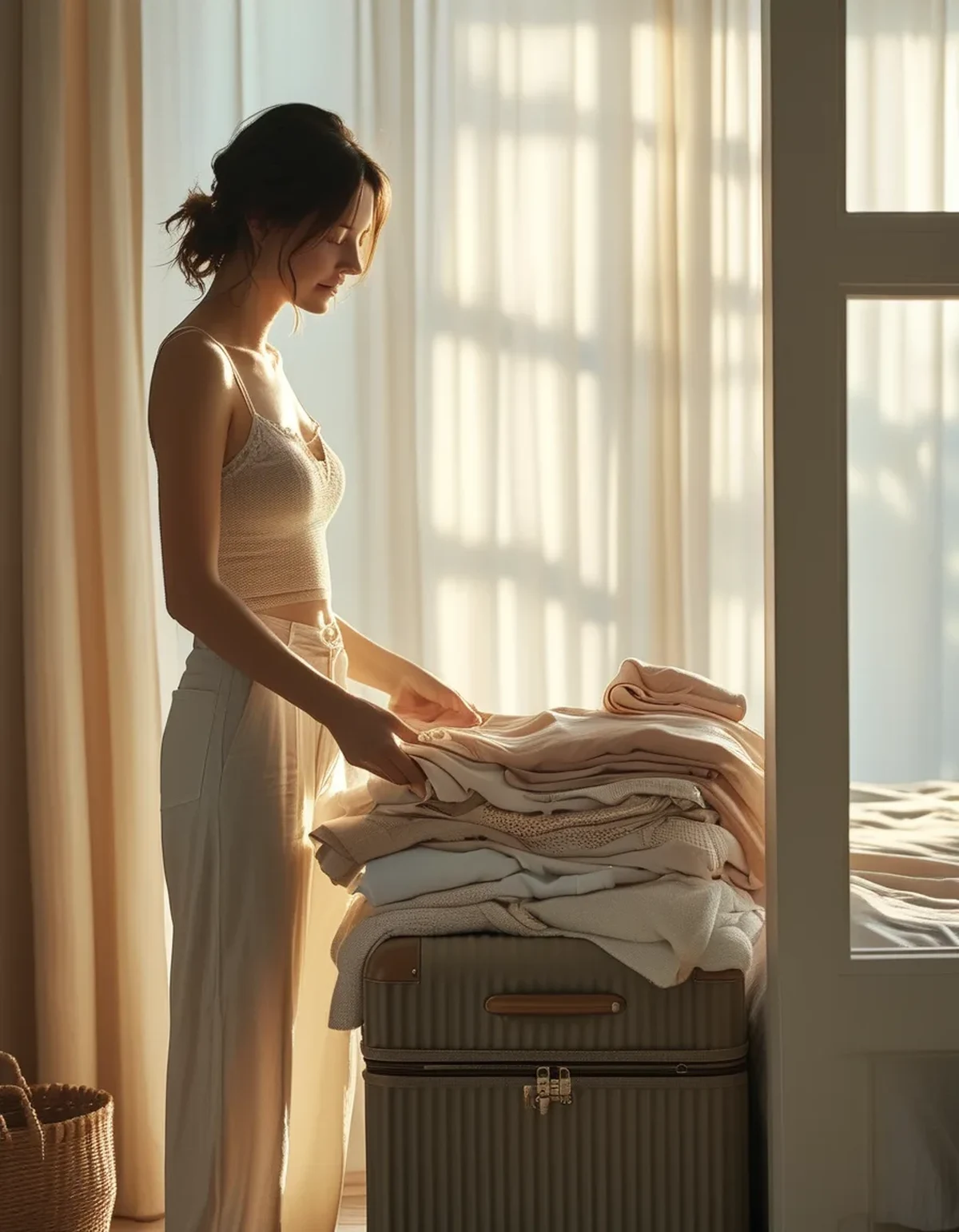
Look 4: The Communal Evening
Retreat evenings are more social than people anticipate - shared dinners, a fire, an evening session, conversation that runs late. And they are almost always colder than the day was, particularly outdoors.
The demand is warmth that does not read as workout clothing, because after three sessions in leggings, most people want to feel like themselves again. This is the piece that changes how the whole trip feels, and it is the first thing cut when packing light.
What works: one relaxed dress or a soft trouser-and-knit combination, in something that packs without creasing. One outfit is enough - retreats are not a place anyone is auditing repeats.
Bring a genuinely warm outer layer. Not a light jacket - something that handles sitting outside after sunset. The evening temperature drop at rural venues is consistently underestimated, and it is more pronounced from late August onward as the nights draw in.
And pack one small thing that feels deliberate - a scarf, a piece of jewellery, better lip balm. It costs nothing in luggage space and it marks the shift from the day’s schedule into the evening, which is a surprisingly useful psychological boundary on a trip designed around resetting.
Look 5: The Travel Day, Both Directions
The travel day appears twice and gets planned zero times, which is why people arrive at a retreat already uncomfortable.
The demand going out is a long day in transit ending with an immediate first session - many retreats begin within hours of arrival. The outfit needs to survive a flight or a long drive and still be acceptable to walk into a room in.
The demand coming home is different: you are tired, your bag now contains damp clothing, and you want the softest thing you own. Set that outfit aside at the start rather than wearing it on day one.
What works both ways: a soft wide-leg trouser or relaxed legging, a simple top, a layer, and shoes you can remove without sitting down. Nothing with a rigid waistband for a long journey.
Pack a dedicated bag for wet or worn clothing. A hot practice on the final morning means damp kit going into a suitcase with everything else. This one item prevents the entire bag smelling on arrival home and it weighs nothing.
And keep one complete outfit in your carry-on. Delayed luggage on the way to a retreat means missing the first session entirely - or attending it in travel clothes, which sets a tone nobody wants for the first evening.
The overall principle across all five: pack for the transitions, not the activities. Most retreat discomfort happens between scheduled items - walking back cold from a morning session, sitting through a chilly evening, waiting in a warm room in the wrong layer. The activities have obvious requirements. The gaps are where the packing list fails.
FAQ: Retreat Packing Questions, Answered
How many outfits do I actually need for a week-long retreat?
Fewer than you think for daytime and more layers than you think overall. Two practice sets, two casual daytime outfits, one evening outfit, and a travel outfit covers most week-long retreats.
What is the most commonly forgotten item?
Warm socks, followed by a bag for damp clothing and a genuinely warm evening layer. All three address the transitions rather than the activities.
Do I need different clothes for morning and afternoon sessions?
Usually yes, because the temperature difference is significant. Morning sessions need removable layers; mid-day sessions need moisture management and a spare set.
Will there be laundry facilities?
Often limited or slow, which is why a second practice set matters more than more variety. Assume kit worn in a hot session will still be damp the next day.
How dressy are retreat evenings?
Rarely formal, but most people want one outfit that is not workout clothing. A single relaxed dress or soft knit combination is enough for a whole week.
What should I wear for the journey home?
Set aside your softest, least structured outfit at the start of the trip rather than wearing it on day one - you will want it far more on the way back.
TL;DR:
- A retreat is five different days, not one dress code - and packing five versions of one outfit is the standard mistake.
- Cold early session: two light layers beat one warm one, plus socks and something to stay warm during final relaxation.
- Hot mid-day practice: moisture-managing fabric, a mid-tone rather than the palest shade, and a second full set since laundry is often slow.
- Long unstructured afternoon: one outfit that passes the floor-sit, twenty-minute-walk, and communal-lunch test - with pockets.
- Communal evening: one non-workout outfit and a genuinely warm outer layer. Rural evenings get cold, increasingly so from late August.
- Travel day, both directions: set your softest outfit aside for the journey home, and pack a bag for damp clothing.
- The overarching rule: pack for the transitions, not the activities. The gaps between scheduled items are where every packing list fails.
See It in Motion
Seen here: High Waist Drawstring Wide Leg Yoga Pants with Pockets — shop it on bubblelime.com
Keep Reading
This article is for general informational and styling purposes only. Fit, sizing, and product availability may vary.