5 Retreat Spaces and What Each One Actually Does for You
Quick Answer: A retreat is really five spaces doing five different jobs: the practice room for structured work, the bedroom for genuine solitude, the shared table for connection, the outdoor space for the unstructured thinking that produces most of the insight, and the threshold — the corridors, porches and in-between spots where the actual conversations happen. Reading a retreat by its spaces tells you far more than reading its timetable.
Most people book on the schedule and then experience the rooms.
Here is what each one is actually for.
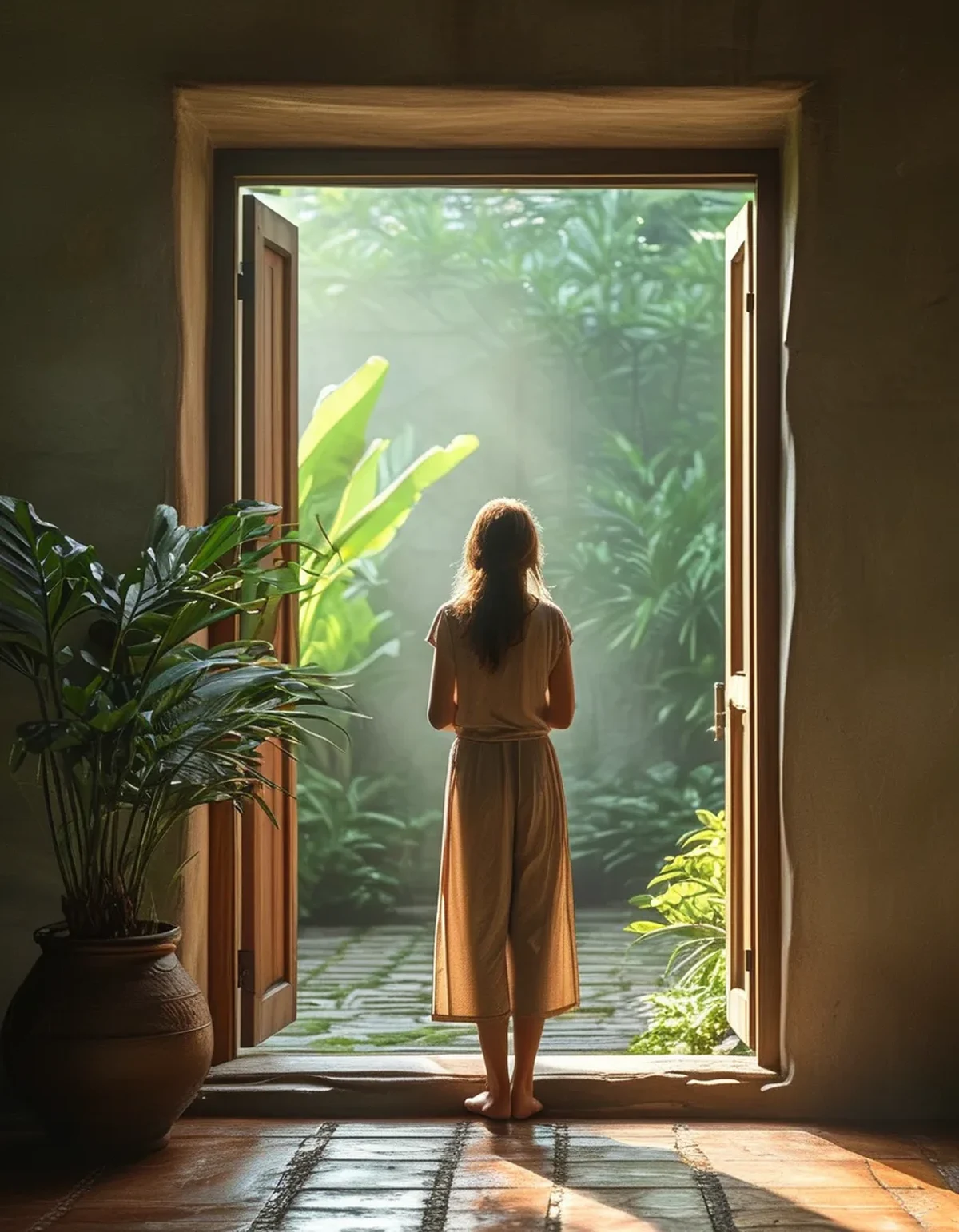
Space 1: The practice room
This is the space the retreat is marketed on — the yoga shala, the meditation hall, the studio with good floors and better light.
It does a specific and narrow job: structured, guided work in a group. The value is in having someone else hold the container so you do not have to make decisions. For a few hours a day you are told where to be and what to do, and that removal of choice is genuinely restful in a way that is hard to arrange at home.
What to look for: natural light, a floor you can lie on comfortably, and enough space that you are not negotiating for a mat position. A practice room that is beautiful but cramped will subtly stress you every session.
What it does not do: it is not where insight happens. It sets up the conditions, and the thinking generally happens somewhere else on this list.
Space 2: The bedroom
The most underrated space on any retreat, and the one people research least.
A retreat bedroom does one job: it is where you are alone. On a week where you are with other people at every meal and every session, a room you actively want to return to becomes disproportionately important. A dark, cramped, or noisy room turns solitude from a resource into something you avoid — and people who avoid their rooms end up socialising when they needed rest.
What to look for: a window that opens, a decent blackout arrangement, and somewhere to sit that is not the bed. Shared rooms are considerably cheaper and remove this space entirely — which is a fine trade for some people and the wrong one for anyone who processes internally.
One practical note: ask about the walls. Retreat centres are often converted buildings, and thin walls in a place where people go to bed at nine are a genuine issue.
Space 3: The shared table
Where a retreat becomes a group rather than a collection of individuals.
Meals are the connective tissue of the week. The practice room puts you in a room with people in silence; the table is where you actually meet them. Almost everyone reports that the relationships they took home formed over food rather than in sessions.
What to look for: communal tables rather than separate ones. It sounds minor and it changes the entire social structure of a week. A retreat with individual tables produces a much more solitary experience — which some people specifically want.
Also worth asking: is there a silent meal in the schedule? Many retreats hold silence at breakfast, which is a genuinely different experience and one of the more useful things to bring home. It is also the thing first-timers most often find unexpectedly difficult.
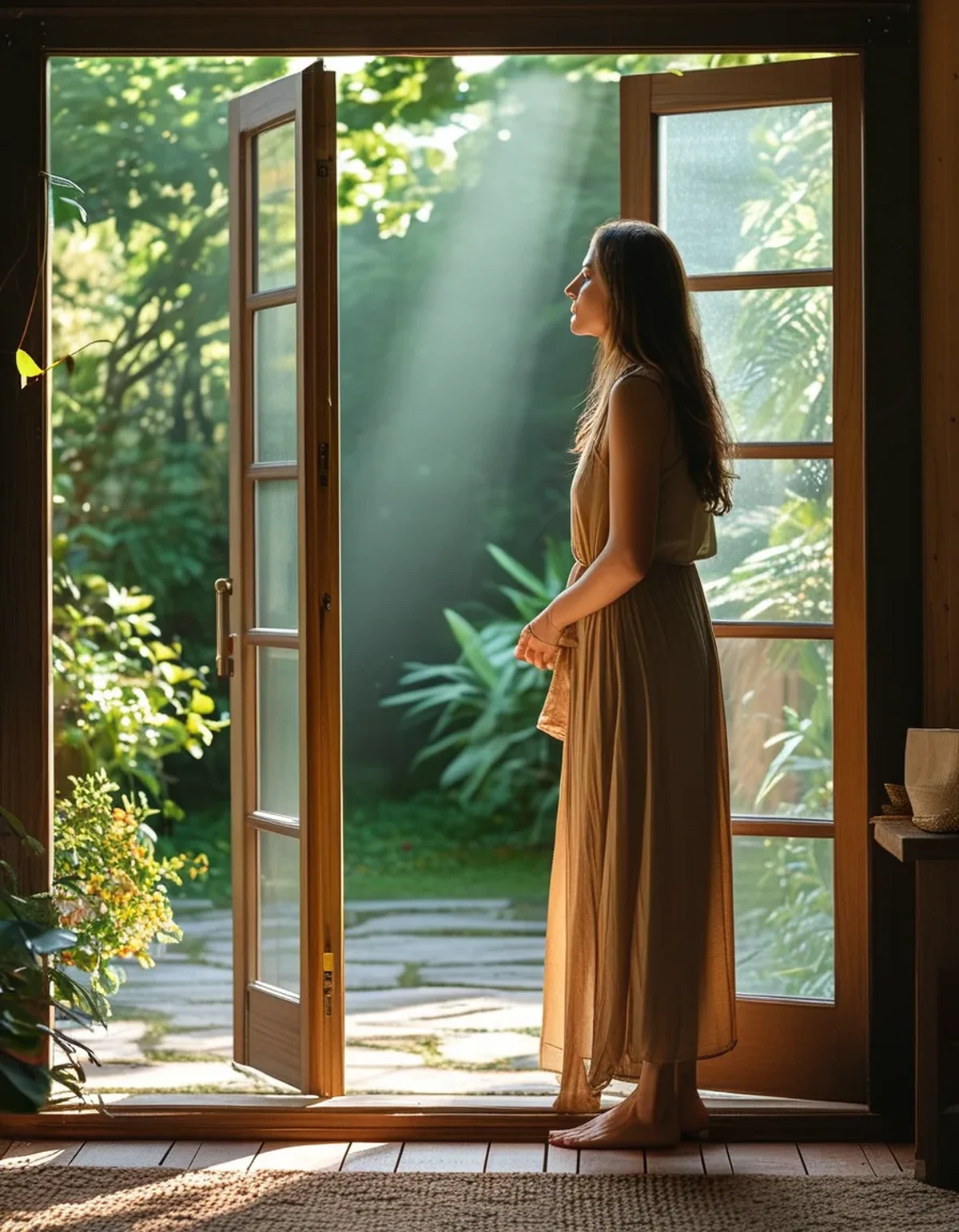
Space 4: The outdoor space
Where most of the actual thinking gets done.
The walk, the garden, the bench with a view, the path around the grounds. This is the least scheduled space and the one that produces the most. Structured sessions turn things over; unstructured walking is where they settle.
It is also the space that determines what you do with free afternoons — and free afternoons are a large fraction of most retreat weeks. A centre with beautiful grounds gives you an obvious answer. A centre on a main road with no walkable green space leaves you in your room on your phone, which is a specific and common way for a retreat to underdeliver.
What to look for: somewhere you can walk for thirty minutes without leaving the property or crossing a road. In early autumn this matters more than in summer, because weather will limit you and short accessible options become the ones you actually use.
Space 5: The threshold
The corridors, porches, kitchen doorways and boot rooms — the spaces between the other spaces.
Nobody puts these in a brochure and they are where the most honest conversations of the week happen. The two minutes putting on shoes before a walk, the queue for tea, the veranda after dinner. These are low-stakes, unstructured, and side-by-side rather than face-to-face, which is exactly the configuration in which people say real things.
What to look for: covered outdoor space, a kitchen or tea area that is open outside meal times, and seating that is not in a bedroom or a session room. A retreat where the only places to be are your room and the practice hall has removed the threshold entirely, and the week will feel more formal and less connected as a result.
If you are choosing between two retreats and everything else is equal, choose the one with more in-between space. It is the single best predictor of whether a week feels warm or clinical.
FAQ: Retreat Space Questions, Answered
How do I find this out before booking?
Photographs show practice rooms and rarely show bedrooms, thresholds, or grounds honestly. Ask directly: what does a free afternoon look like here? The answer tells you about the outdoor and threshold space immediately.
Is a private room worth the extra cost?
If you process internally or sleep lightly, yes, and it is usually the highest-value upgrade available. If you are going specifically for connection and are a sound sleeper, a shared room genuinely adds to the experience.
What if the weather is bad all week?
This is why indoor threshold space matters. A retreat with a good common room and covered outdoor seating survives a wet week; one that relies entirely on its grounds does not. Worth asking about specifically for an autumn booking.
Does the size of the group change which spaces matter?
Substantially. Under about eight people, the table does most of the connecting work and thresholds matter less. Above fifteen, threshold spaces become the main way you meet anyone outside your immediate seat neighbours.
TL;DR:
- The practice room provides structure; it is not where insight happens
- The bedroom is the most under-researched space and determines whether solitude is restful or avoided
- Communal tables versus separate tables changes the social shape of the entire week
- Outdoor space decides what free afternoons look like — check for a thirty-minute walk on site
- Threshold spaces produce the most honest conversations and appear in no brochure
When you are comparing two retreats with near-identical schedules, stop reading the timetable and start asking about the rooms. The programme is what you booked; the spaces are what you will actually experience.
Keep Reading
This article is for general informational and styling purposes only. Fit, sizing, and product availability may vary.