5 Fall Retreat Settings and What Each One Actually Gives You
Quick Answer: Setting shapes a retreat more than the schedule does. Mountain and forest settings deliver quiet and temperature comfort; coastal shoulder-season retreats give you emptiness and good light; farm and rural settings offer physical grounding; a city retreat trades scenery for accessibility; and a home retreat costs nothing and demands the most discipline. Match the setting to what you are actually short of.
Everyone chooses a retreat by its schedule. Then they get there and discover that the thing that actually determined the week was whether they could hear traffic and whether it was cold at 6am.
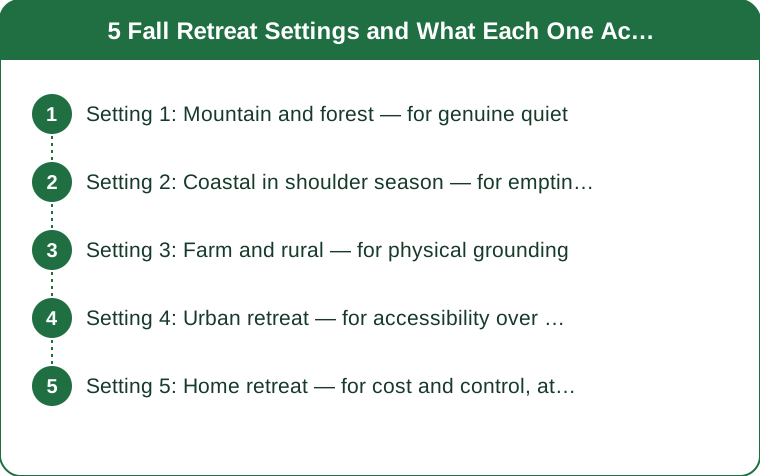
Setting 1: Mountain and forest — for genuine quiet
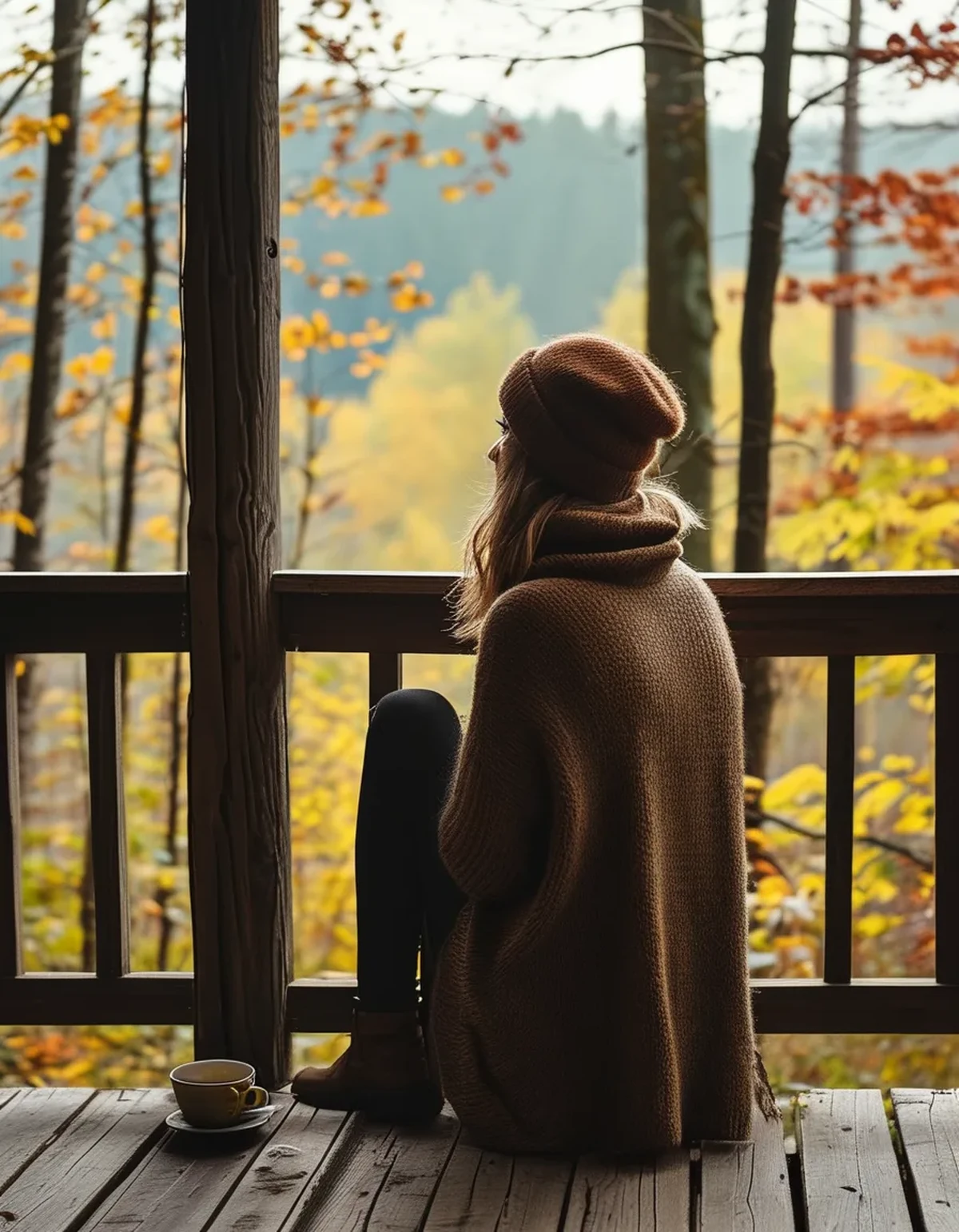
The classic fall retreat setting, and for good reason. Elevation means cooler mornings, dramatic foliage in September and October, and — the actual variable — genuine acoustic quiet, which is harder to find than most people realize and which does more for a nervous system than any scheduled activity.
What it gives you: deep quiet, cool air that makes sleeping easy, natural beauty that requires no effort to appreciate, and hiking as a built-in physical practice that does not feel like exercise.
What it costs: accessibility. Mountain venues are usually a long drive from an airport, and the last hour is often on small roads. If you are arriving tired, factor that in.
Who it suits: anyone whose main problem is noise and overstimulation. If you live in a city and your sleep is poor, the quiet alone may be worth the trip regardless of what is on the schedule.
The fall-specific consideration: peak foliage weeks drive prices up and availability down, and they also bring day-trippers to the same trails. A retreat two weeks after peak is dramatically cheaper and quieter for a marginally less spectacular view.
Setting 2: Coastal in shoulder season — for emptiness and light
A beach town in late September is a different place from the same town in July. The crowds have gone, the water is still warm from summer, and the light gets noticeably better as the sun angle drops.
What it gives you: space. Empty beaches, restaurants with tables available, and the specific psychological effect of a place that is usually busy being quiet. Ocean air, and the reliable rhythm of tides and weather that makes days feel structured without a schedule.
What it costs: weather variability. Shoulder season means genuinely unpredictable conditions, and a coastal retreat with three days of rain and wind is a very different week than the brochure. Check what the indoor space is like, because you may be in it.
Who it suits: people who need to decompress rather than to be challenged. Coastal shoulder-season retreats tend to be gentler in programming and more restorative in intent.
Practical note: this is the cheapest time of year for coastal accommodation in most regions, often by a very large margin. The same room can cost less than half its August rate for weather that is frequently better for walking.
Setting 3: Farm and rural — for physical grounding
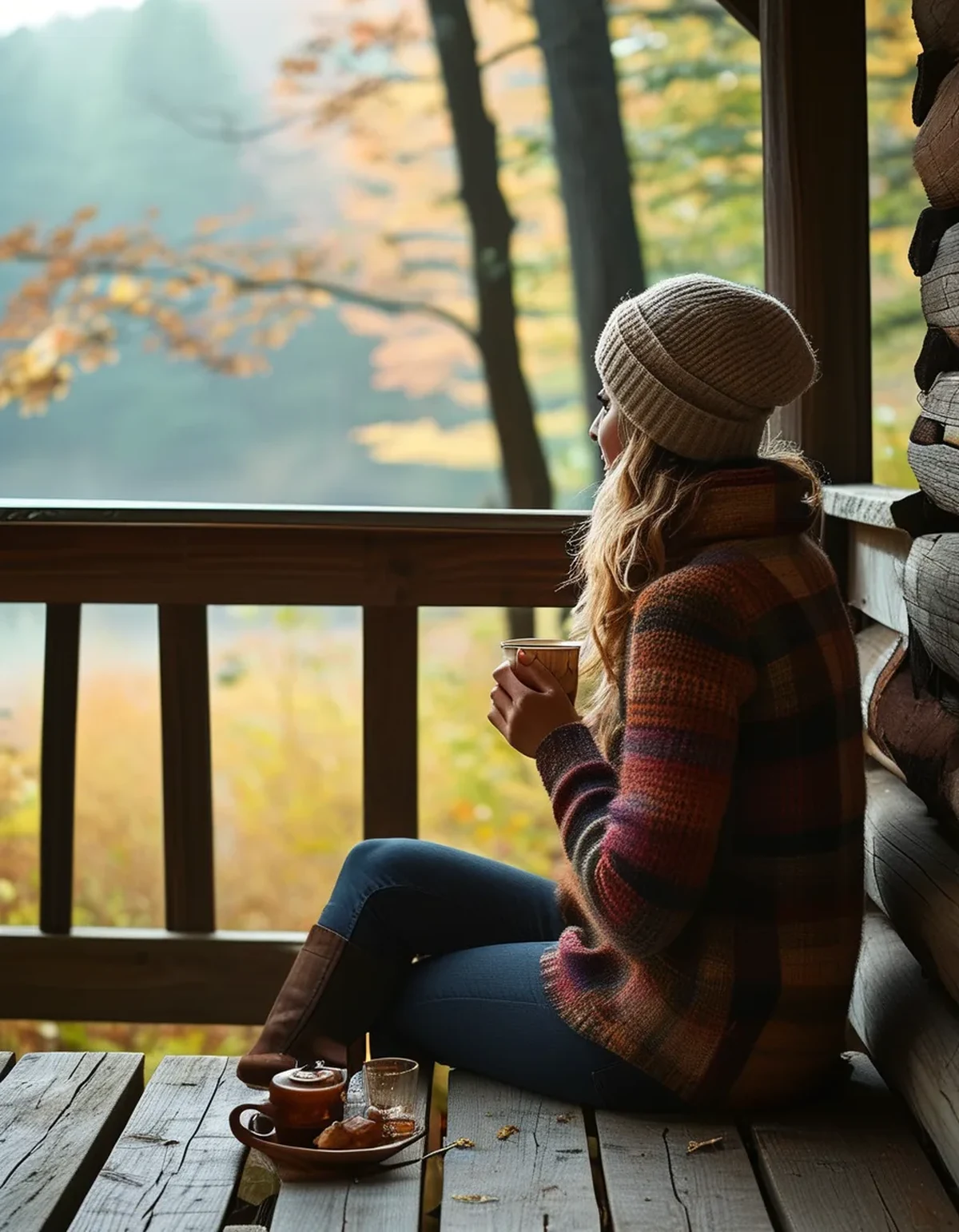
Working farms, agritourism properties, and rural retreat centers, particularly appealing in fall because it is harvest season and there is genuinely something happening.
What it gives you: physical work and physical results, which is a specific and underrated form of rest for people whose jobs are entirely cognitive. Food with an obvious origin. Animals. Early nights, because there is nothing else to do and you are tired in a satisfying way.
What it costs: comfort, sometimes. Accommodation ranges from genuinely luxurious to genuinely basic, and the descriptions do not always distinguish clearly. Ask specific questions about heating, bathrooms, and whether the early start is optional.
Who it suits: anyone who feels disconnected from physical reality — desk workers, people who have been in a purely digital stretch, anyone who describes their tiredness as mental rather than bodily.
The fall angle: harvest is the most interesting time to be on a farm and also the busiest. Some properties reduce guest programming during it; others make it the whole point. Worth clarifying which.
Setting 4: Urban retreat — for accessibility over scenery
The category people dismiss and the one that most often actually gets booked, because it fits into a real life.
What it gives you: low friction. No long drive, no flight, no full week off. Many urban retreats run as two- or three-day formats, or as a series of daily sessions you return home from. A retreat you actually attend beats a better one you postpone twice, and that trade is real rather than a consolation.
What it costs: the environmental change that does much of the work elsewhere. You are in the same city, likely with the same phone reception, and the psychological distance is smaller. Ambient noise is a genuine factor.
Who it suits: first-timers testing whether the format works for them, people with caring responsibilities who cannot disappear for a week, and anyone whose barrier is logistics rather than interest.
How to make it work better: treat the boundaries as the practice. Stay overnight rather than commuting in, hand over your phone if that is offered, and tell people you are away. The container has to be built deliberately because the geography is not building it for you.
Setting 5: Home retreat — for cost and control, at the price of discipline
A weekend at home run as a retreat, which is either the most practical option available or a wasted weekend, with very little in between.
What it gives you: complete control over food, schedule, and content, at essentially no cost. Repeatability — you can do it monthly rather than annually, and monthly beats annually for almost any practice. No travel fatigue on either end.
What it costs: every environmental cue you would otherwise get for free. The laundry is visible. Your partner is home. The default behaviors of that space are extremely well established and they will reassert themselves by Saturday afternoon.
Who it suits: people who have done a facilitated retreat before and know what they are recreating. It is a poor first experience, because you do not yet know what you are trying to build.
What actually makes it work: a written schedule made in advance, food prepared beforehand, phone in a drawer, people told, and one non-negotiable anchor — a morning practice at a fixed time. Without those five, it becomes a weekend at home.
FAQ: Fall Retreat Questions, Answered
Is fall actually a better time than spring? For most northern-hemisphere settings, it has real advantages: stable weather, comfortable temperatures for outdoor practice, lower shoulder-season prices, and the seasonal transition itself, which many people find naturally reflective. Spring’s advantage is a sense of beginning; fall’s is a sense of consolidation.
How far ahead should I book? Peak foliage weeks in popular mountain regions book months out. Coastal shoulder season and urban formats are often available with a few weeks’ notice, sometimes at a discount as venues fill remaining spaces.
What is the single most important thing to check? After the setting, the group size. A retreat of six is a fundamentally different experience from a retreat of thirty, and it affects everything — how much attention you get, how much social energy the week demands, and whether silence is actually possible.
TL;DR:
- Mountain and forest for genuine quiet; expect a long drive and avoid peak foliage weeks for cost and calm
- Coastal shoulder season for emptiness, good light, and the lowest prices of the year — check the indoor space
- Farm and rural for physical grounding, best during harvest; ask specific questions about comfort
- Urban for accessibility, which is a real advantage; build the container deliberately since geography will not
- Home retreat for cost and repeatability, but only once you know what you are recreating
Start from what you are short of rather than from what looks best. Quiet, physical work, low friction, and control are four different needs, and the setting decides which one you actually get.
Keep Reading
This article is for general informational and styling purposes only. Fit, sizing, and product availability may vary.